Routines: Make Space Around the Screen
It is much easier to add a pleasant offline habit than to stare at a blank wall trying not to touch your phone. By shaping the first twenty minutes of the morning and the last thirty minutes of the evening, the hours in between naturally settle down.
The First Twenty Minutes of Morning
When you check email or global headlines while still under the duvet, you hand over your morning mood to whatever happened overnight in ten different time zones before your feet even touch the floor.
Instead of aiming for an unrealistic two-hour monk routine, try a simple "feet-on-the-floor" rule: wait to unlock your phone until you have stood up, opened the curtains, and poured a glass of water or started the coffee.
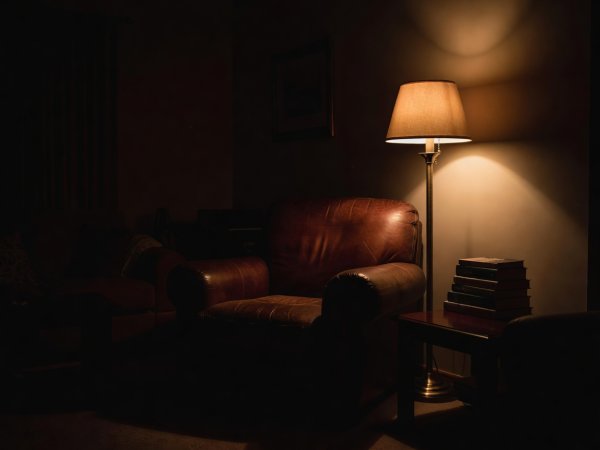
Three Physical Anchors for Easier Boundaries
The Entryway Bowl
Place a small ceramic dish or woven tray near the front door or kitchen counter. Dropping your phone there when you walk in keeps it reachable for phone calls while breaking the habit of carrying it from room to room in your hand.
Warm Screen Filters After Dusk
Schedule Night Shift or Night Light to warm your display temperature two hours before bed, or set a triple-click accessibility shortcut for greyscale mode. Stripping neon colours makes endless video feeds far less hypnotic at 10:30 PM.
Intentional Long-Form Evenings
Screens are wonderful for watching a full film, playing a cooperative game, or video-calling an old friend. Choose one absorbing screen activity on purpose rather than splitting your attention between television and a second-screen feed.
Workday Transitions and Commute Buffers
When remote and hybrid work blurred the line between the office and the living room, many of us lost the natural decompression buffer of a walk or train ride. Without a clear transition, work chat tabs bleed directly into dinner prep.
Remember that routines exist to serve your energy, not to grade your willpower. If you have a sick child, a late flight, or a deadline week, let the routine flex—and return to your baseline when the house is calm again.